From https://www.lds.org/languages/eng/content/manual/come-follow-me-for-elders-quorum-and-relief-society-april-2018/fourth-sunday-meetings
What does ministering mean to the members in your ward or branch? To find out, you could write Ministering on the board and then invite members to write words around it that they associate with ministering. Members could find words or phrases to add to the list from scriptures like the following: Matthew 25:34–40; Luke 10:25–37; 2 Nephi 25:26; Mosiah 18:8–9; 3 Nephi 18:25; and Doctrine and Covenants 81:5. What do we learn from these verses about ministering? You could ask members to share examples of ministering they have seen. How can our ministering help meet people’s spiritual and temporal needs? How can it help people come closer to Christ?
Ministering
‘Ministering means doing “the work of the Lord on the earth” and helping others to “become true followers of Jesus Christ.” That work, President Thomas S. Monson has said, includes reaching out to “the aged, the widowed, the sick, those with disabilities, the less active, and those who are not keeping the commandments.”
As “we extend to them the hand that helps and the heart that knows compassion,” he added, “we will bring joy into their hearts, and we will experience the rich satisfaction that comes to us when we help another along the pathway to eternal life.”’ (Ministering that Matters, Ensign 2014)
Matthew 25:34-40
How does this scripture relate to the new, holier vision of ministering?
Who do you think are ‘the least of these my brethren’?
Consider reading or singing ‘Have I Done Any Good in the World Today?’
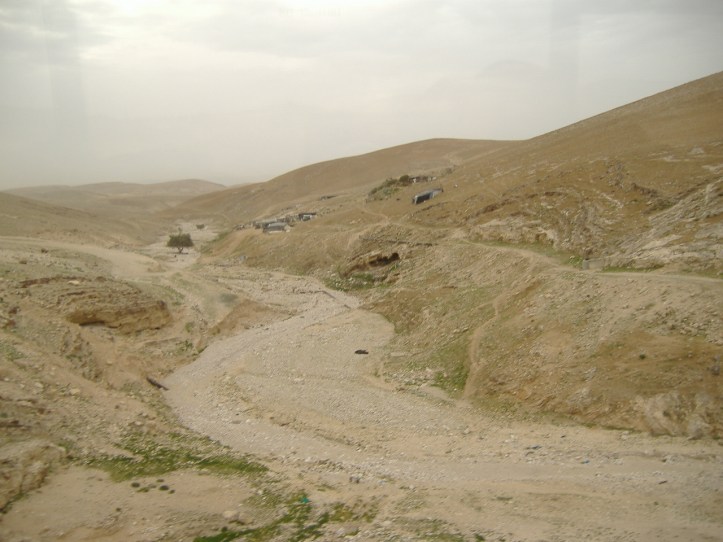
James E Talmage comments:
“The road between Jerusalem and Jericho was known to be infested by highway robbers; indeed a section of the thoroughfare was called the Red Path or Bloody Way because of the frequent atrocities committed thereon.”
Elder M Russell Ballard in the October 2001 General Conference said:
Every time I read this parable I am impressed with its power and its simplicity. But have you ever wondered why the Savior chose to make the hero of this story a Samaritan? There was considerable antipathy between the Jews and the Samaritans at the time of Christ. Under normal circumstances, these two groups avoided association with each other. It would still be a good, instructive parable if the man who fell among thieves had been rescued by a brother Jew.
His deliberate use of Jews and Samaritans clearly teaches that we are all neighbors and that we should love, esteem, respect, and serve one another despite our deepest differences—including religious, political, and cultural differences.
This is a very pertinent message for us today when it seems that in many parts of the world and many parts of our society there is increasing conflict and tension between those of different faiths, ideologies and cultures.
Perhaps the key message from this parable of selfless service is the Saviour’s injunction: ‘Go, and do thou likewise’. Jesus is telling us to follow the Samaritan’s example by serving those we come into contact with, whether they be friend or stranger or enemy. We are to love them whatever their race, religion or political persuasion. We should give generously and freely of our time, talents and resources to those in need, without expectation of return. President Thomas S Monson wrote:
‘When we walk in the steps of that good Samaritan, we walk the pathway that leads to perfection.’
2 Nephi 25:26
Read: ‘How We Preach of Christ in Our Home’
What are some of the ways that we can minister in our own homes?
Mosiah 18:8-9
‘You are a covenant member of the Church of Jesus Christ. A great change began in your heart when you came into the Church. You made a covenant, and you received a promise that began changing your very nature.
Alma described, in his words at the Waters of Mormon, what you promised at your baptism and what it will mean to you and everyone around you—especially in your families. He was speaking to those who were about to make the covenants you have made, and they also received the promise that the Lord made to you:
“Behold, here are the waters of Mormon (for thus were they called) and now, as ye are desirous to come into the fold of God, and to be called his people, and are willing to bear one another’s burdens, that they may be light;
“Yea, and are willing to mourn with those that mourn; yea, and comfort those that stand in need of comfort, and to stand as witnesses of God at all times and in all things, and in all places that ye may be in, even until death, that ye may be redeemed of God, and be numbered with those of the first resurrection, that ye may have eternal life.” Mosiah 18:8–9
That is why you have a feeling to want to help a person struggling to move forward under a load of grief and difficulty. You promised that you would help the Lord make their burdens light and be comforted. You were given the power to help lighten those loads when you received the gift of the Holy Ghost.’ (Henry B Eyring, General Conference, April 2015)
What does this scripture teach us about the covenant we have made to minister?
3 Nephi 18:25
What charge are we given here?
D&C 81:5
“We are surrounded by those in need of our attention, our encouragement, our support, our comfort, our kindness. … We are the Lord’s hands here upon the earth, with the mandate to serve and to lift His children. He is dependent upon each of us.” (Thomas S Monson, “What Have I Done for Someone Today?” Ensign, Nov. 2009, 86.)
Keys to Ministering
Emulate the Savior.
Reach out to the one.
Seek inspiration.
Nurture.
Be faithful in your ministry.
(Ministering that Matters, Ensign 2014)
 Latter-day Bloke