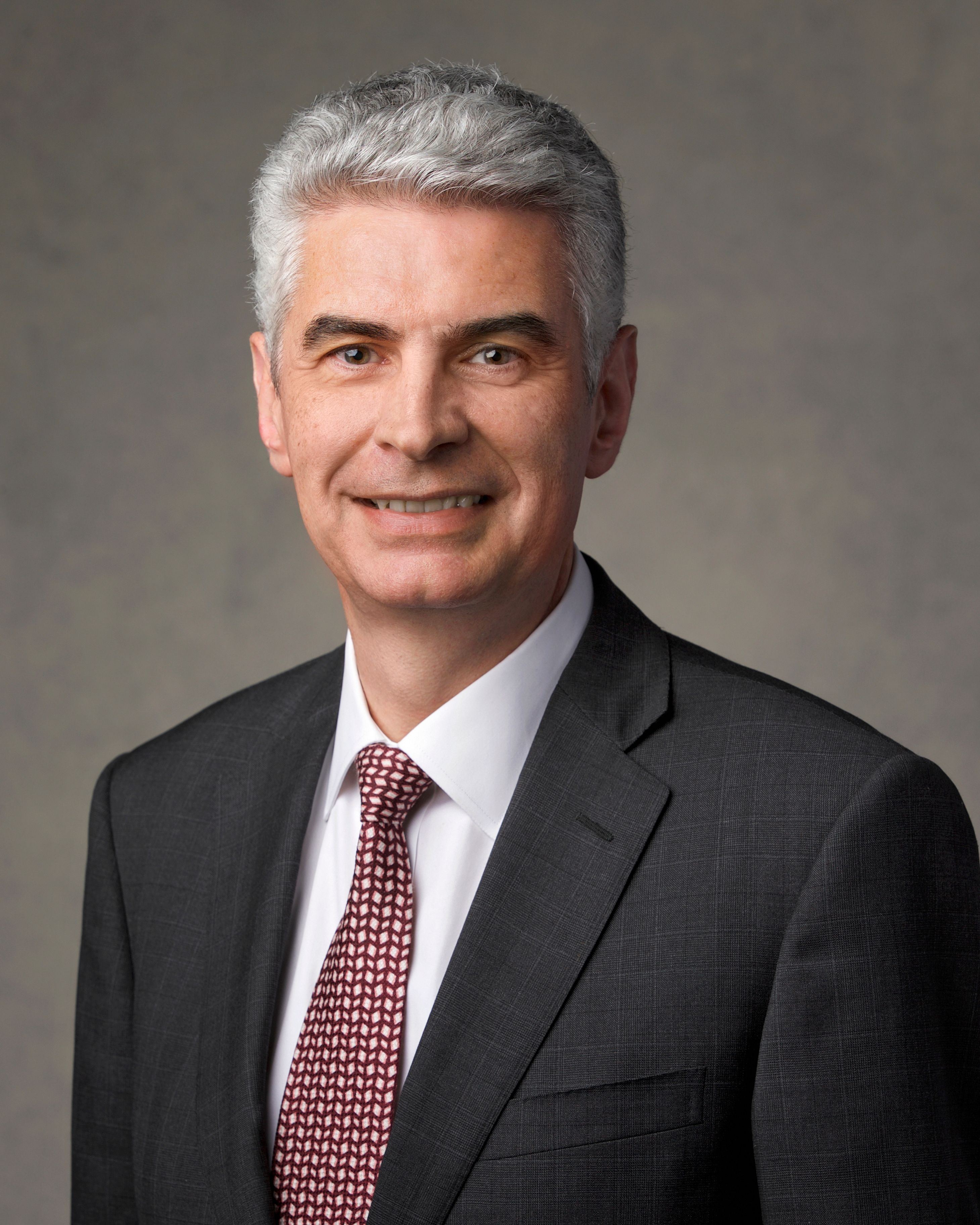
You can watch or read Bishop Caussé’s talk at Our Earthly Stewardship (churchofjesuschrist.org)
Bishop Caussé began by talking about a visit his family made to the beautiful Monet gardens in Giverny, France. He then said:
Brothers and sisters, our interactions with the beauties of nature around us can produce some of the most inspiring and delightful experiences in life. The emotions we feel kindle within us a deep sense of gratitude for our Heavenly Father and His Son, Jesus Christ, who created this magnificent earth—with its mountains and streams, plants and animals—and our first parents, Adam and Eve.
What sort of emotions do you experience when you view the beauties of nature?
These wonderful creations were prepared entirely for our benefit and are living proof of the love the Creator has for His children. The Lord declared, “Yea, all things which come of the earth … are made for the benefit and the use of man, both to please the eye and to gladden the heart.”
Watch and listen to John Rutter’s For the Beauty of the Earth:For the Beauty of the Earth, arranged by Mack Wilberg | The Tabernacle Choir – Bing video
‘Can any man who has walked beneath the stars at night, can anyone who has seen the touch of spring upon the land doubt the hand of divinity in creation? So observing the beauties of the earth, one is wont to speak as did the Psalmist: “The heavens declare the glory of God; and the firmament sheweth his handywork. Day unto day uttereth speech, and night unto night sheweth knowledge.” (Ps. 19:1-2) All of beauty in the earth bears the fingerprint of the Master Creator.’ (Gordon B Hinckley, Conference Report, Apr. 1978, p. 90)
Where have you seen the fingerprints of the Master Creator?
However, the divine gift of the Creation does not come without duties and responsibilities. These duties are best described by the concept of stewardship. In gospel terms, the word stewardship designates a sacred spiritual or temporal responsibility to take care of something that belongs to God for which we are accountable.
In what ways do you think we have a stewardship to care for the earth?
Bishop Caussé then went on to take about three principles related to our earthly stewardship.
First principle: The entire earth, including all life thereon, belongs to God.
The Creator has entrusted the earth’s resources and all forms of life to our care, but He retains full ownership. He said, “I, the Lord, stretched out the heavens, and built the earth, my very handiwork; and all things therein are mine.” All that is on the earth belongs to God, including our families, our physical bodies, and even our very lives.
What are the implications of this principle?
Second principle: As stewards of God’s creations, we have a duty to honor and care for them.
As God’s children, we have received the charge to be stewards, caretakers, and guardians of His divine creations. The Lord said that He made “every man accountable, as a steward over earthly blessings, which I have made and prepared for my creatures.”…
…President Russell M. Nelson once remarked: “As beneficiaries of the divine Creation, what shall we do? We should care for the earth, be wise stewards over it, and preserve it for future generations.”
What do you think it means to be stewards of God’s creations?
Because God is the owner of everything that exists, our role is to administer the resources He has entrusted to us according to His wishes.
Beyond being simply a scientific or political necessity, the care of the earth and of our natural environment is a sacred responsibility entrusted to us by God, which should fill us with a deep sense of duty and humility. It is also an integral component of our discipleship. How can we honor and love Heavenly Father and Jesus Christ without honoring and loving Their creations?
Which aspects of the creation has God entrusted to you?
What could you do to increase your understanding and enjoyment of the creation entrusted to you?
There are many things that we can do—collectively and individually—to be good stewards. Considering our individual circumstances, each of us can use the bountiful resources of the earth more reverently and prudently. We can support community efforts to care for the earth. We can adopt personal lifestyles and behaviors that respect God’s creations and make our own living spaces tidier, more beautiful, and more inspirational.
The Gospel Topic on Environmental Stewardship and Conservation says:
“God has made us accountable for the care and preservation of the earth and the wise use of its resources (see Doctrine and Covenants 104:13–15). As stewards, we avoid complacency and excessive consumption, using only what is necessary (see Doctrine and Covenants 49:19–21). We make our homes, neighborhoods, and cities beautiful. We preserve resources and protect for future generations the spiritual and temporal blessings of nature.”
Psalm 145:9 teaches us that God loves all his creations, not just mankind:
The Lord is good to all: and his tender mercies are over all his works.
What changes can you make to help preserve resources and protect nature?
As disciples of Christ, we have a solemn duty to work tirelessly for peace and harmony among all nations of the earth. We must do our very best to protect and bring solace and relief to the weak, the needy, and all those who suffer or who are oppressed. Above all, the greatest gift of love we can offer our fellow men is to share with them the joy of the gospel and invite them to come unto their Savior through sacred covenants and ordinances.
Our stewardship extends not just to the earth but also to the inhabitants of the earth; to all of God’s children.
Why is inviting people to come unto Christ the greatest gift of love we can offer our fellow men?
Third principle: We are invited to participate in the work of creation.
We participate in the work of creation whenever we cultivate the earth or add our own constructions to this world—as long as we show respect for God’s creations. Our contributions may be expressed through the creation of works of art, architecture, music, literature, and culture, which embellish our planet, quicken our senses, and brighten our lives. We also contribute through scientific and medical discoveries that preserve the earth and life upon it. President Thomas S. Monson summarized this concept with these beautiful words: “God left the world unfinished for man to work his skill upon … that man might know the joys and glories of creation.”
‘Every individual has creative capacity. The satisfaction and growth creativity generates is intended for each of us, not just for the most gifted. To “try it” takes courage. ….As you experiment with new things you will discover a great deal about yourself that likely won’t be revealed any other way. “Try it” and you may open up a lifetime of joy and rewarding accomplishment.’ (Richard G Scott, New Era, August 1995)
How have you experienced joy through creativity?
Among all of man’s achievements, none can equal the experience of becoming cocreators with God in giving life or in helping a child learn, grow, and thrive—whether it be as parents, teachers, or leaders, or in any other role. There is no stewardship more sacred, more fulfilling, and also more demanding than that of partnering with our Creator in providing physical bodies for His spirit children and then helping them reach their divine potential.
“There is no trust more sacred than the one the world holds with children. There is no duty more important than ensuring that their rights are respected, that their lives are free from fear and want and that they can grow up in peace. ” – Kofi Annan
Why is Bishop Caussé’s message about our stewardship for children so important?
At the end of this mortal existence, the Master will ask us to give an account for our sacred stewardship, including how we have cared for His creations. I pray that we will then hear His loving words whispered to our hearts: “Well done, thou good and faithful servant: thou hast been faithful over a few things, I will make thee ruler over many things: enter thou into the joy of thy lord.” In the name of Jesus Christ, amen.
What have you learned about our earthly stewardship by studying this talk?
NB: Passages in italics are direct quotes from Bishop Caussé’s talk.
 Latter-day Bloke