Brief Summary
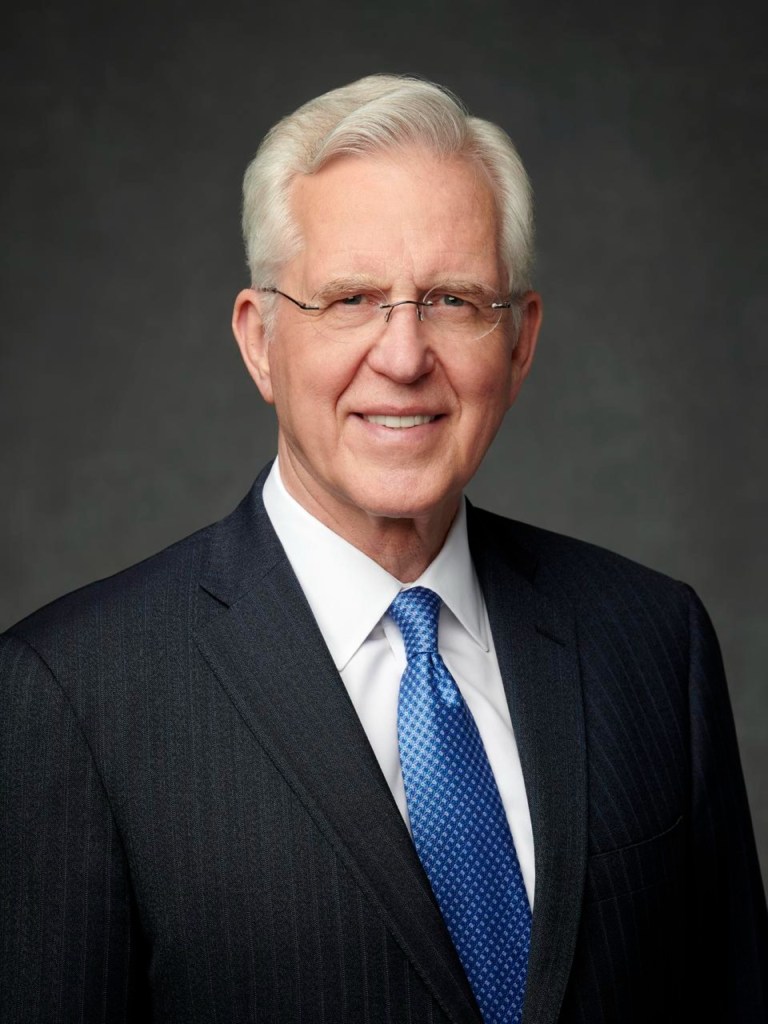
President D. Todd Christofferson’s talk is a direct warning about gambling, particularly the rapid growth of online and smartphone gambling. But his broader message is about agency, stewardship, opportunity cost, moral influence, and deliberately using our lives and resources to do good.
Key quotes and questions for pondering
‘Every soul is precious, and Christ died for him, for her, as He did for you.’ (Paragraph 21)
What does this statement have to do with gambling?
‘If your moral standing is secure, then undoubtedly there are others who look to you as a guide for upright living.’ (Paragraph 16)
Do my actions make it easier or harder for others to choose righteousness?
‘For us as Latter-day Saints, overarching all other concerns is the fact that gambling is morally wrong. Gambling is built on the desire to obtain something for nothing. Its structure requires that any gain comes at others’ expense. It’s hard to reconcile that with the commandment to love our neighbor as ourselves.’ (Paragraph 22)
What is wrong with the desire to get something for nothing?
‘…our resources are stewardships, and the question is not merely whether a purchase is legal but whether it builds anything—in us, in our families, or in those around us. In the end, gambling produces nothing of value and enriches only its purveyors.’ (Paragraph 22)
How does the principle of stewardship relate to gambling?
‘President Oaks clearly stated the moral case against gambling some years ago in these words: “What does gambling do to its participants? The attitude of taking something from someone else in order to enhance our own position—[which is] the essence of gambling—leads us away from the giving path of Christ and toward the taking path of the adversary.’ (Paragraph 23)
‘Today, I am pleading with all of us to live life on a higher plane.’ (Paragraph 24)
What good things might the Lord want us to pursue more actively?
God has granted life and agency to each of us, and each of us is accountable to Him for how we live that life. A key part of a life well-lived is contributing to the well-being of others. It is being productive in worthy endeavors.’ (Paragraph 24)
What activities increase my freedom and agency—and which ones diminish them?
‘…my plea again is not only to refrain from gambling but to use the time and resources saved thereby for doing good. The Lord counsels us to “be anxiously engaged in a good cause, … and bring to pass much righteousness.” Indeed, “blessed are all they who do hunger and thirst after righteousness, for they shall be filled with the Holy Ghost.” If we hunger and thirst after righteousness, there are many good things we will pursue and other things that, because they are incompatible with righteousness, we will put out of our lives entirely.’ (Paragraph 25)
What are the ‘opportunity costs’ of the things I spend my time (and money) on?
‘Having begun these remarks quoting the prophet Jacob, I end with another of his statements: “O be wise; what can I say more?”’ (Paragraph 26)
How might I use my resources more wisely?
Invitations
‘I pray that you will not treat gambling lightly.’ (Paragraph 26)
‘At different times, President Dallin H. Oaks has reminded us that “as we make current decisions, we should always be asking, ‘Where will this lead?’’ (Paragraph 14)
‘…my plea again is not only to refrain from gambling but to use the time and resources saved thereby for doing good.’ (Paragraph 25)
Application
President Christofferson’s message is that wisdom means using our God-given agency, time, money and influence deliberately—rejecting activities that diminish us and replacing them with things that build, bless and serve others.
The talk is therefore useful well beyond the specific issue of gambling. Its deeper question is essentially “What am I doing with the life and resources God has given me?”
You can watch President Christofferson’s talk here.
If this post has been helpful, please subscribe or leave a comment or ‘like’. Thank you!

