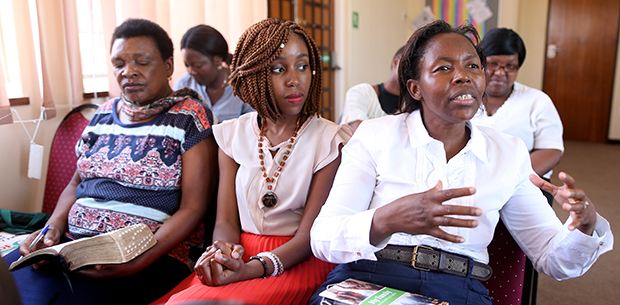
The new 25-minute weekly Relief Society and elders quorum meetings are not simply shorter versions of the old lessons. Instead, they represent a different philosophy of teaching and learning—one that assumes much more gospel learning has already happened at home and that class time is primarily for inspired discussion, testimony, and application.
Here are the main themes that have emerged from the First Presidency, the implementation materials, and comments from General Officers.
- Teachers should think “discussion,” not “lesson” or “presentation”’
President Camille N. Johnson has encouraged teachers and Relief Society presidencies to stop thinking in terms of delivering a lesson and instead think of the meeting as a council and discussion.
She explained that:
- teachers become discussion leaders rather than lecturers,
- good questions become more important than extensive preparation of presentations,
- every sister or brother should have opportunities to contribute,
- discussion should always keep Jesus Christ at the centre.
These same principle naturally apply in elders quorum.
2. Focus on one or two truths—not every point
Twenty-five minutes is intentionally too short to cover an entire conference talk. Rather than trying to summarise every paragraph, teachers are encouraged to:
- identify one or two principles
- invite members to discuss them
- help members apply them during the coming week
The objective is changed lives rather than completed lesson outlines.
3. Begin immediately
One practical change is that quorum and Relief Society meetings will no longer include a separate counselling topic before the lesson. With only 25 minutes available, presidencies are expected to communicate routine information in other ways and carefully choose conference messages for discussion.
This means classes should:
- begin promptly,
- open with prayer,
- move immediately into discussion,
- conclude on time.
4. Assume preparation has already happened
This is probably the biggest mindset shift. Leaders have repeatedly said that:
- learning begins at home,
- church meetings strengthen home learning,
- class time builds upon personal study rather than replacing it.
Just as Sunday School assumes members have studied the weekly Come, Follow Me assignment, Relief Society and elders quorum assume members have already read the selected General Conference message.
5. Spend less time teaching and more time inviting participation
A teacher who speaks for 15 minutes has almost no class left.
The new format encourages teachers to:
- introduce the topic briefly,
- ask thoughtful questions,
- listen carefully,
- build on class members’ comments,
- bear testimony at appropriate moments.
In other words, facilitate rather than present.
Because discussion is now central, teachers are encouraged to ask questions that invite:
- experiences
- testimony
- application
- reflection
The underlying vision
Instead of waiting two weeks between discussions, members now gather every Sunday.
Leaders have noted that this allows:
- conference messages to remain fresh,
- personal study habits to become more consistent,
- stronger relationships within quorums and Relief Societies,
- more regular opportunities to strengthen faith together.

